
What is Online Marketing
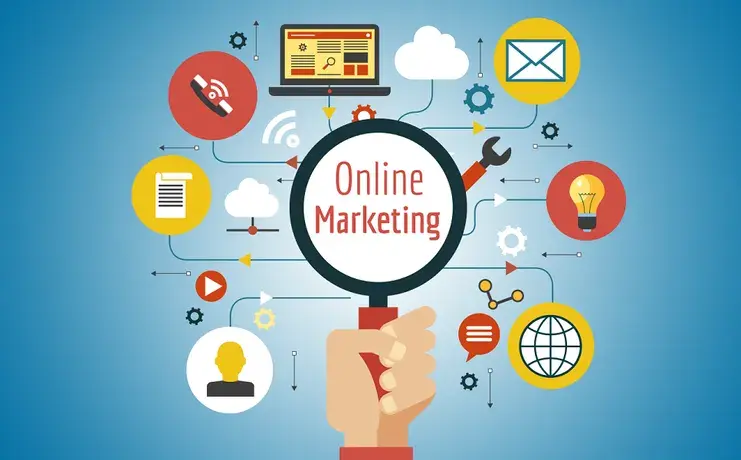
Online marketing, also known as digital marketing or internet marketing, is the practice of promoting products, services, or brands using the internet and digital platforms. It is one of the most powerful tools in today’s business world, allowing companies to reach a global audience through various online channels such as websites, social media, email, search engines, and mobile apps. Unlike traditional marketing (which relies on TV, print, or radio), online marketing provides flexibility, affordability, and measurable results.
Definition and Concept
Online marketing can be defined as the process of using internet-based tools and technologies to advertise and engage with potential customers. Its main goal is to attract, engage, and convert users into buyers. It combines creativity, data analysis, and technology to create impactful campaigns. Because of its real-time feedback and personalized communication, it has become more effective than many offline methods.
In simple terms, online marketing helps businesses reach customers where they spend most of their time—on the internet.
Types of Online Marketing
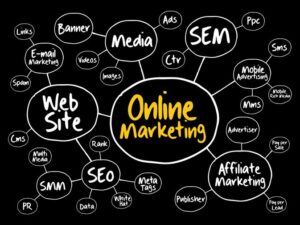
There are several important types of online marketing strategies used to increase brand visibility and sales:
1. Search Engine Optimization (SEO)
SEO is the technique of optimizing a website to rank higher in search engine results pages (SERPs) like Google. It includes improving content, keywords, backlinks, and user experience to gain more organic traffic. The higher a page ranks, the more visibility and credibility it earns.
2. Pay-Per-Click Advertising (PPC)
PPC is a paid advertising method where advertisers pay each time a user clicks on their ad. Google Ads and Bing Ads are common platforms. It allows immediate visibility and precise targeting based on keywords, location, or demographics.
3. Social Media Marketing
Social media marketing involves using platforms like Facebook, Instagram, X (Twitter), LinkedIn, and TikTok to promote brands and engage with customers. It helps build brand awareness, customer loyalty, and community engagement through posts, stories, reels, and ads.
4. Content Marketing
Content marketing focuses on creating and sharing valuable content—such as blogs, articles, videos, and infographics—to attract and retain an audience. Its aim is to educate, entertain, or inspire customers while subtly promoting products or services.
5. Email Marketing
Email marketing uses personalized emails to communicate directly with potential or existing customers. It is a cost-effective method to nurture leads, share offers, announce product launches, and maintain customer relationships.
6. Affiliate Marketing
In affiliate marketing, companies partner with affiliates (bloggers, influencers, or publishers) who promote their products. Affiliates earn a commission for every sale or click generated through their referral links. It’s a performance-based model that benefits both parties.
7. Influencer Marketing
Influencer marketing uses the popularity of social media influencers to promote products. Since influencers have strong trust with their followers, their endorsements can significantly influence buying decisions.
8. Mobile Marketing
Mobile marketing targets users through their smartphones via SMS campaigns, mobile apps, and in-app advertisements. As mobile usage increases, this form of marketing has become essential for modern businesses.
Importance of Online Marketing
The importance of online marketing lies in its ability to connect brands with their audiences instantly and effectively. Some major benefits include:
1. Global Reach
Through online platforms, businesses can reach international customers easily. A small startup can sell products globally without setting up physical stores.
2. Cost-Effectiveness
Unlike print or television ads, online marketing is relatively affordable. Even small budgets can yield great results through targeted ads and social media promotions.
3. Measurable Results
Using tools like Google Analytics and Meta Business Suite, marketers can track performance, measure traffic, conversions, and engagement. This data-driven approach allows continuous improvement.
4. Targeted Advertising
Online marketing enables precise targeting based on age, gender, interests, and location. This ensures that marketing messages reach the right audience at the right time.
5. Customer Engagement and Feedback
Through social media and interactive content, businesses can directly communicate with customers. Reviews, comments, and polls help improve customer satisfaction and build trust.
6. Builds Brand Image
Consistent online presence, quality content, and positive customer interaction enhance a brand’s credibility and reputation. This helps in long-term brand loyalty.
Challenges of Online Marketing
Despite its many benefits, online marketing also faces several challenges:
- High Competition: With millions of businesses online, standing out requires creativity and strategy.
- Privacy Concerns: Misuse of customer data can harm trust and violate data protection laws like GDPR.
- Changing Algorithms: Search engines and social media platforms frequently update their algorithms, affecting visibility.
- Cybersecurity Risks: Risks like hacking, phishing, and data breaches can endanger both businesses and consumers.
Future of Online Marketing
The future of online marketing is shaped by technology, innovation, and personalization. Artificial Intelligence (AI) and machine learning are revolutionizing how ads are targeted and optimized. Voice search, video content, and interactive media are becoming dominant marketing formats.
Additionally, sustainability and ethical marketing are gaining attention. Modern consumers prefer transparent, eco-friendly, and socially responsible brands. Companies that adopt these values will stand out in the digital marketplace.
Conclusion
In conclusion, online marketing is a modern and efficient way to promote products, services, and brands in the digital era. It integrates various strategies such as SEO, social media, email, content, and PPC advertising to reach a wide audience effectively. It not only increases sales and visibility but also fosters customer relationships and brand trust. To succeed, businesses must stay updated with digital trends, use data analytics, and maintain ethical practices.
In today’s interconnected world, mastering online marketing is not just a business advantage—it is a necessity for survival and growth in the competitive global marketplace.