
What is Physical Education
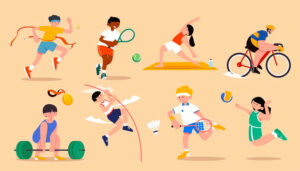
Physical Education (P.E.) is an essential part of the education system that focuses on the physical fitness, mental health, social skills, and overall well-being of students through sports, exercises, and physical activities. It teaches individuals the importance of healthy living, discipline, and teamwork, helping them become strong both physically and mentally. The ultimate goal of Physical Education is to create balanced individuals who lead active, productive, and responsible lives.
Definition and Meaning
Physical Education can be defined as the education of the body and mind through systematic physical activities. It aims to improve strength, endurance, coordination, and flexibility while also developing emotional stability and social values. According to the World Health Organization (WHO), Physical Education is vital for promoting lifelong physical activity and healthy habits.
In simple terms, it is a process that teaches people how to stay fit, live a balanced life, and understand the value of physical fitness in achieving overall health.
Objectives of Physical Education
The major objectives of Physical Education are as follows:
- Physical Development – To improve muscular strength, stamina, agility, and coordination through different exercises and games.
- Mental Development – To enhance concentration, memory, decision-making, and emotional control through regular activity.
- Social Development – To develop team spirit, leadership, cooperation, and respect for others through group activities and team sports.
- Emotional Development – To help individuals manage stress, handle emotions, and maintain a positive attitude in both success and failure.
- Moral Development – To teach values like honesty, discipline, fair play, and sportsmanship.
- Educational Development – To connect physical fitness with academic learning, teaching students about nutrition, body mechanics, and health awareness.
Importance of Physical Education
Physical Education is a vital component of education because it promotes health, fitness, and character development. Some of the most important reasons include:
1. Promotes Physical Fitness
Regular participation in Physical Education enhances body strength, endurance, and flexibility. It keeps students active, energetic, and healthy, reducing risks of obesity, heart disease, and other lifestyle disorders.
2. Improves Mental Health
Physical activity helps release endorphins—the “happy hormones”—which reduce stress and anxiety. It improves focus, creativity, and academic performance by keeping the brain active and refreshed.
3. Builds Discipline and Responsibility
P.E. teaches time management, punctuality, and self-control. Following rules, attending practice regularly, and striving for improvement help students become responsible individuals.
4. Enhances Social Skills
Sports encourage interaction and teamwork. Students learn how to communicate, cooperate, and support each other, which helps in building positive relationships and leadership qualities.
5. Develops Character and Sportsmanship
Through games and competitions, students learn fair play, honesty, humility, and respect for others. It helps them accept both victory and defeat with dignity.
6. Encourages Healthy Lifestyle Habits
P.E. teaches the importance of balanced diet, exercise, rest, and hygiene. These habits encourage individuals to maintain a fit and active lifestyle throughout their lives.
7. Enhances Academic Performance
Studies show that physically active students have better concentration, memory, and problem-solving skills. Physical activity increases blood flow to the brain, helping in better learning outcomes.
Components of Physical Education

Physical Education consists of several important components that together ensure overall development:
- Physical Fitness: Activities that improve strength, endurance, and flexibility.
- Motor Skill Development: Enhancing balance, reaction time, agility, and coordination.
- Health Education: Teaching about nutrition, disease prevention, and personal hygiene.
- Recreational Activities: Involving yoga, dance, swimming, and outdoor games for enjoyment and relaxation.
- Competitive Sports: Encouraging participation in organized sports events to build confidence, team spirit, and leadership.
Role of Physical Education in Schools
In schools, Physical Education plays a crucial role in the overall development of students. It provides an opportunity for exercise, team participation, and personal growth.
- Schools conduct daily P.E. classes, sports days, and inter-school competitions to encourage participation.
- Physical education teachers guide students in performing exercises safely and effectively.
- It helps students take a break from academic pressure, refresh their minds, and improve focus in classrooms.
- Early exposure to physical activity develops self-confidence and a positive attitude toward health and discipline.
Thus, incorporating Physical Education into the school curriculum ensures a balanced education system that values both mental and physical growth.
Career Opportunities in Physical Education
Physical Education offers a wide range of career opportunities for those interested in fitness and sports. Some common professions include:
- Physical Education Teacher
- Sports Coach or Trainer
- Fitness Instructor
- Physiotherapist
- Sports Psychologist
- Athletic Director
- Sports Management Professional
With increasing awareness about health and fitness, careers in this field are expanding rapidly worldwide.
Challenges in Physical Education
Despite its benefits, Physical Education faces several challenges today:
- Lack of Sports Facilities in schools and institutions.
- Academic Pressure that reduces time for physical activities.
- Limited Awareness about the importance of regular exercise.
- Shortage of Qualified Instructors or trained physical educators.
To address these issues, schools and governments must invest in sports infrastructure, hire trained staff, and promote health education programs.
Conclusion
In conclusion, Physical Education is not just about sports or exercise—it is about the complete development of an individual. It strengthens the body, sharpens the mind, and builds character. It teaches values such as discipline, leadership, cooperation, and sportsmanship, which are essential in real life.
A society that values Physical Education produces healthy, active, and responsible citizens. Therefore, it should be treated as an essential part of the school curriculum and everyday life. As the saying goes, “A healthy mind resides in a healthy body.” Physical Education ensures both—creating a generation that is fit, focused, and ready to face life’s challenges with confidence.